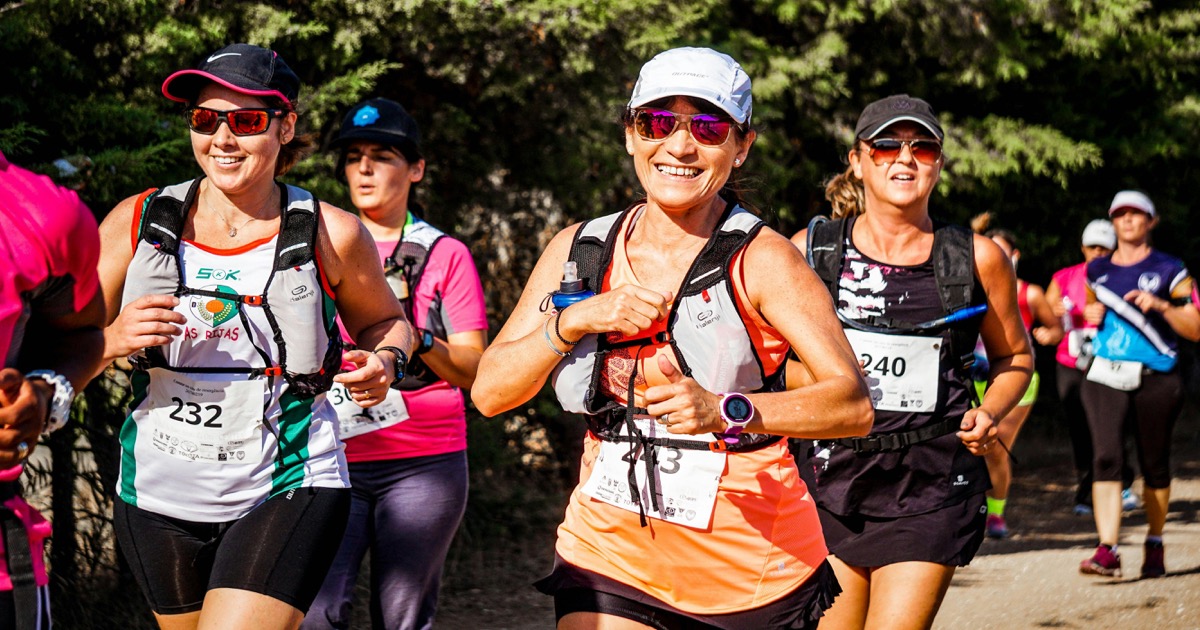
Trail racing is a completely different animal from road racing. The terrain is unpredictable, aid stations are farther apart, and you need to be more self-sufficient. This checklist covers everything—whether you're running a trail 10K or your first 50-miler.
How Trail Races Differ from Road Races
If you're coming from road racing, here's what changes:
- Self-sufficiency is expected — you may carry your own hydration and nutrition
- Mandatory gear lists are common — check the race website carefully
- Aid stations are spaced further apart — sometimes 5-10 miles between them
- Terrain varies wildly — rocks, roots, mud, creek crossings, elevation
- Pace is measured in effort, not minutes/mile — forget your road PR splits
- Navigation may be required — flagging, GPS track, or map
Mandatory Gear Check
Many trail races require specific gear. Check your race's rules. Common mandatory items include:
- Hydration system — vest, pack, or handheld (minimum capacity often specified)
- Emergency whistle — often built into hydration vest chest straps
- Emergency blanket / space blanket
- Headlamp with fresh batteries (for ultras or races with cutoff times)
- Waterproof jacket — even in summer for mountain races
- Phone with full charge — for emergency calls on course
- Cup / collapsible cup — many trail races don't provide cups at aid stations
Trail-Specific Gear
- Trail running shoes — aggressive tread, rock plate, broken in (30+ miles)
- Gaiters — keep rocks and debris out of your shoes
- Hydration vest (for anything over 10K) — carry 1.5-2L capacity
- Trekking poles (optional) — collapsible, for big elevation races
- Extra socks — for creek crossings or wet conditions
- Hat/buff — sun protection on exposed ridges
- Sunglasses — for alpine/open terrain
- Anti-chafe balm — vest straps cause different friction than road gear
Course Preparation
- Download the course GPX file to your watch
- Study the elevation profile — know where the big climbs are
- Locate aid stations on the map — know the gaps between them
- Check cutoff times (if any) — plan your pacing accordingly
- Read race-day logistics — parking, start location, drop bags
- Drive/preview the course if possible — even seeing photos helps
Trail Race Nutrition
Trail nutrition is different from road racing — you burn more calories, move slower, and often carry your own food:
- Carry more calories than road races — 200-300 cal/hour for anything over 2 hours
- Mix gels with real food — PB&J, boiled potatoes, pretzels, dried fruit
- Electrolytes are critical — especially in heat or on long climbs
- Practice eating while moving — it's harder on uneven terrain
- Aid stations often have real food — know what they're serving
- Pack extras — if you bonk on a trail, there's no convenience store
Night Before
- Lay out all gear — vest loaded, shoes ready, poles assembled
- Check mandatory gear list one final time
- Fill hydration bladder/flasks
- Pack nutrition into vest pockets — accessible without stopping
- Charge watch, phone, and headlamp
- Set alarms — trail starts are often early and remote
- Know the drive to the start — trails can be far from civilization
Race Morning
- Eat breakfast 2-3 hours before — see our breakfast guide
- Apply sunscreen and anti-chafe
- Do a final vest/pack check — water, food, phone, mandatory gear
- Arrive early — remote trailheads fill up fast
- Attend the pre-race briefing — course changes happen last minute on trails
- Start conservative — trail races are won in the second half
Track your trail races with smart checklists
Startly generates personalized race-day checklists based on your race distance, weather, and timing.
Try Startly FreeFrequently Asked Questions
What shoes should I wear for a trail race?
Trail running shoes with aggressive tread, a rock plate, and a secure fit. Road running shoes don't provide enough grip or protection on technical terrain. Break them in with at least 30 miles before race day.
Do I need trekking poles for a trail race?
For races under 50K on moderate terrain, poles are usually optional. For ultras and mountain races with significant elevation gain (3,000+ feet), collapsible poles can save your legs. Check the race rules — some events don't allow them.
How much water should I carry for a trail race?
It depends on distance and aid station spacing. For trail 10Ks, a handheld bottle (12-20 oz) is usually enough. For half marathons and beyond, carry a hydration vest (1.5-2L capacity). Know the distance between aid stations and carry enough to bridge the longest gap.
The trails are calling. Go prepared. 🌲